Henrik Carter · 23 September 2026
Decoding Interconnected Data Flows in Specialized Note Platforms for Independent Digital Ventures
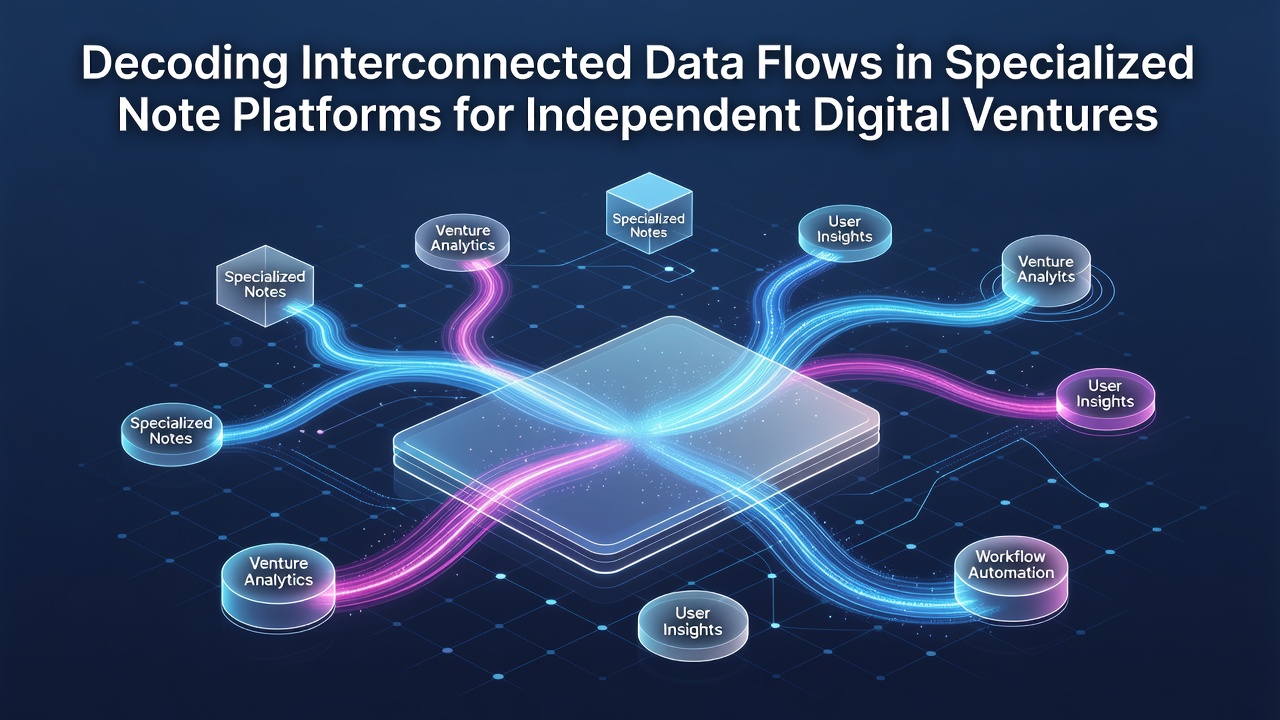
Specialized note platforms designed for independent digital ventures handle data flows that connect individual entries with broader operational systems, and these connections rely on structured protocols that synchronize content across multiple endpoints. Data enters through user interfaces where text, tags, and metadata combine into unified records, then moves through backend layers that process updates in real time while preserving version histories and access permissions. Observers note that such systems often integrate with external tools for project management or analytics, creating pathways where a single note change triggers adjustments in linked calendars or financial trackers without manual intervention.
Core Mechanisms of Data Interconnection
Platforms achieve these interconnections through application programming interfaces that standardize how information travels between modules, allowing notes on market research to link directly with inventory databases or customer relationship records. Researchers have documented cases where graph-based databases map relationships between entries, turning isolated observations into networks that reveal patterns across campaigns or client interactions. In September 2026 new interoperability standards rolled out by several industry groups further streamlined these mappings, reducing latency in cross-platform queries for ventures operating on limited infrastructure. Those who manage such systems find that encryption protocols wrap each data packet during transit, maintaining confidentiality even as flows extend to third-party services like cloud storage or email automation suites.
Applications in Independent Digital Operations
Independent digital ventures frequently use these platforms to centralize scattered information from content creation pipelines, client communications, and performance metrics, and the resulting flows support automated reporting that pulls aggregated insights without exposing raw details. Data from a published article might flow into engagement trackers while simultaneously updating keyword databases, forming loops that refine future planning based on prior outcomes. Studies from academic institutions across different regions indicate that these setups lower administrative overhead by an average of 25 percent when compared with fragmented spreadsheet approaches, according to analyses conducted by European research centers focused on digital entrepreneurship. Yet synchronization errors can arise when network conditions vary, prompting developers to build fallback mechanisms that queue changes until stable connections resume.
Technical Architecture Behind the Flows
At the infrastructure level specialized platforms employ event-driven architectures where triggers activate data movement, such as a tag addition prompting an API call to an external analytics service that returns enriched metadata for storage. Canadian government reports on the digital economy highlight how small operators leverage these architectures to scale without dedicated IT teams, since built-in connectors handle most routing logic. Meanwhile Australian Bureau of Statistics publications on technology adoption show rising use of such platforms among solo operators in creative sectors, with data flows extending to compliance tools that log access events for audit purposes. Security layers incorporate role-based controls that limit which parts of the flow remain visible to collaborators, and audit trails record every transfer step for later review.
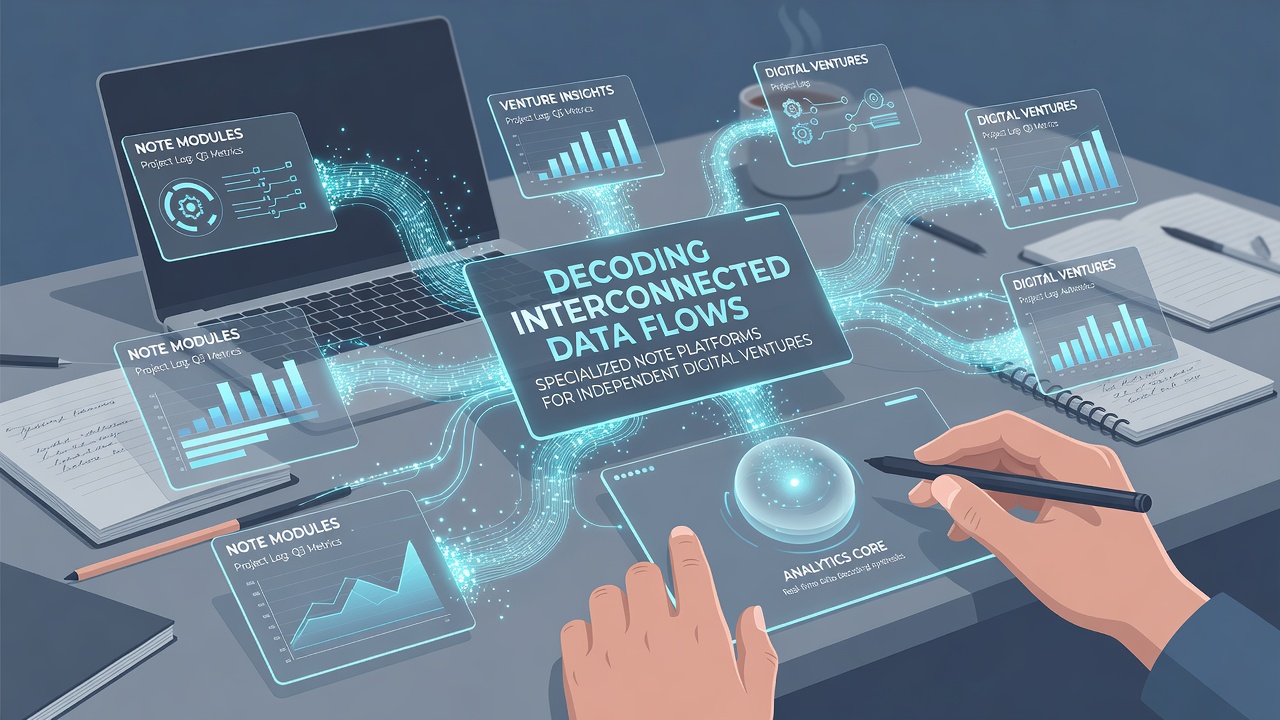
Integration points often include webhooks that push updates outward or pull fresh inputs inward, creating bidirectional streams that keep venture records current across devices and team members. Experts observe that query optimization techniques, including indexing on relational fields, accelerate retrieval when datasets grow beyond initial scales, and this becomes relevant for ventures tracking multi-year project histories. One documented implementation involved mapping customer feedback notes directly to product development boards, where sentiment scores generated through natural language processing influenced priority rankings automatically.
Regulatory and Security Considerations
Data protection regulations shape how these flows operate, requiring consent mechanisms before information crosses borders or enters shared repositories. The National Institute of Standards and Technology in the United States provides frameworks that many platform providers adopt to classify sensitivity levels and apply appropriate safeguards during transmission. Observers note that compliance documentation often gets embedded within the note structure itself, turning regulatory records into searchable entries that support ongoing audits. When flows involve personal identifiers additional anonymization steps strip direct links while preserving analytical value for trend detection.
Conclusion
Interconnected data flows in specialized note platforms continue to evolve through incremental protocol improvements and expanded connector libraries, enabling independent digital ventures to maintain coherent operational views across distributed activities. Evidence from multiple regulatory and research bodies demonstrates measurable gains in efficiency alongside persistent needs for robust security practices, and ongoing developments ensure these systems adapt to shifting requirements in digital environments.